
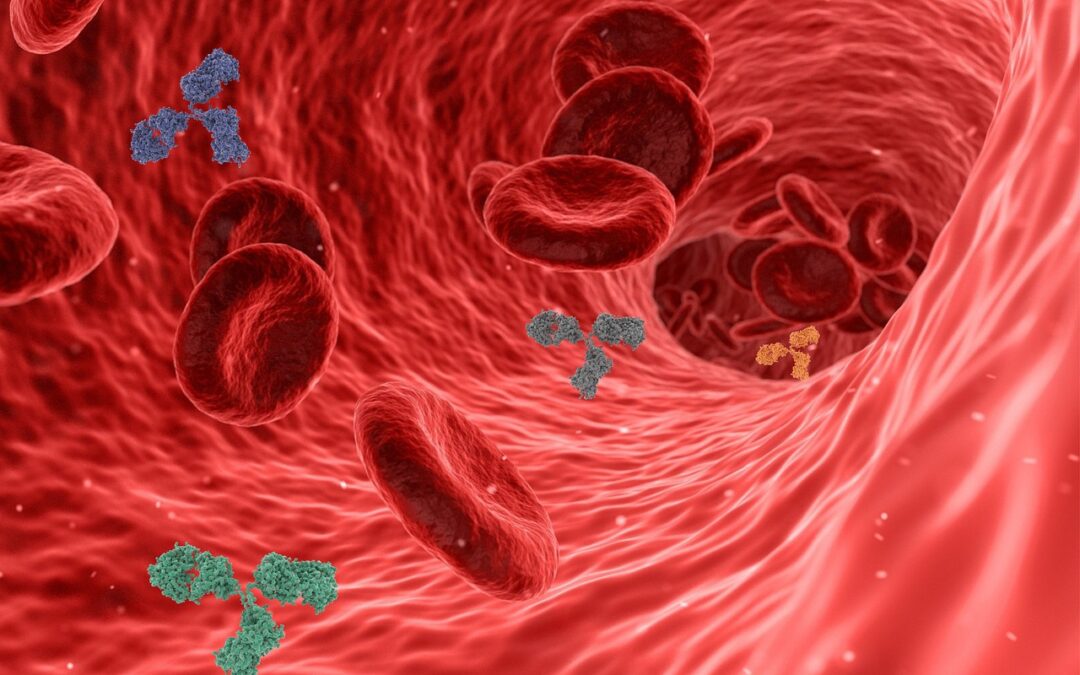
Why Red Blood Cell Markers Rise in Mold, Microbe & Parasite Stress
(A Functional Medicine Perspective — Daphne & Fairhope, Alabama)
At The Holistic Clinic in Daphne, Alabama, we often see bloodwork showing unusual red blood cell (RBC) patterns in patients recovering from mold toxicity, chronic infections, or parasitic exposure.
Markers like RBC, Hemoglobin (Hgb), Hematocrit (Hct), MCV, MCH, and MCHC may all trend high — or occasionally fluctuate between high and low depending on the body’s stage of compensation. Understanding why this happens is key to helping the body restore balance — and it’s where Functional Medicine and even acupuncture in Daphne can play a vital role in recovery.
Conventional vs. Functional Medicine: A Critical Distinction
Most conventional physicians will review these same blood tests and reassure patients that “everything looks normal,” even when values are trending high or low. But these patterns are not always normal — they’re adaptive signals.
Traditional medicine often views each marker in isolation and looks only for disease thresholds, whereas Functional Medicine reads between the lines — identifying stress and imbalance before they escalate into diagnosable illness.
Unfortunately, most MDs are not trained to assess the body holistically or explore the deeper causes behind these patterns. Few recognize that there are microbes beyond bacteria and viruses — such as fungi, parasites, and biofilm-producing organisms — that inhabit our bodies and can quietly influence oxygenation, circulation, and cellular metabolism. These overlooked microbes often drive the very changes we see in red blood cell markers.
1. Why RBCs, Hemoglobin, and Hematocrit Often Rise
When the body is under chronic stress from mold, biofilm, or microbial toxins, it often perceives a state of low oxygen availability at the tissue level — even when oxygen saturation looks normal on paper.
This low-grade hypoxia can stem from:
-
Mycotoxin-induced mitochondrial dysfunction
-
Biofilm and microcirculatory congestion
-
Chronic sympathetic activation (“fight or flight”)
-
Inflammation and oxidative stress that stiffen red cells or narrow vessels
To compensate, your body increases red blood cell production and hemoglobin concentration, trying to move more oxygen through an inefficient system. This explains why RBC, Hgb, and Hct may all be elevated in functional patterns of mold or microbial illness.
But quantity doesn’t equal quality — and that’s where the next markers tell the deeper story.
2. The Meaning Behind MCV, MCH, and MCHC
These markers show how well red cells are built and how efficiently they carry oxygen.
-
MCV (Mean Corpuscular Volume): cell size
-
MCH (Mean Corpuscular Hemoglobin): hemoglobin per cell
-
MCHC (Mean Corpuscular Hemoglobin Concentration): hemoglobin concentration
3. Two Functional Medicine Patterns: High vs. Low MCHC
🔺 High MCHC: The “Compensatory Overdrive” Phase
In the earlier or more reactive stages of toxic stress, MCHC often rises.
This can occur when:
-
The body is dehydrated or hemoconcentrated from stress, sauna use, or toxin mobilization.
-
Oxidative stress damages red-cell membranes, causing them to shrink and concentrate hemoglobin.
-
Mycotoxins and inflammatory cytokines oxidize hemoglobin (methemoglobin formation), making it appear “denser” but less functional.
-
Chronic sympathetic drive thickens the blood as part of a “fight or flight” response.
What this means:
You have many red cells, and they’re packed with hemoglobin — but the oxygen they carry may not be usable. This pattern often coincides with fatigue, headaches, brain fog, and pressure sensations, despite “good” labs.
🔻 Low MCHC: The “Depletion or Exhaustion” Phase
Over time, if the toxin load or infection isn’t resolved, nutrient stores run low and cell formation weakens.
Here, MCHC often drops due to:
-
Impaired heme synthesis from iron oxidation or deficiency
-
B12, folate, or magnesium depletion
-
Mycotoxins disrupting mitochondrial and marrow function
-
Long-term parasitic or microbial drain on minerals and oxygen capacity
What this means:
Your body is still producing red cells, but they’re “paler” and less oxygen-efficient. Fatigue, shortness of breath, and poor exercise recovery become common.
4. The Functional Medicine Lens in Daphne & Fairhope
When looking through the lens of Functional Medicine in Daphne, we focus on restoring oxygen efficiency — not just normalizing lab numbers.
Our approach may include:
-
Mold and mycotoxin testing (urine, environment, and symptom correlation)
-
Biofilm and parasite mapping (stool, GI-MAP, or muscle testing)
-
Nutrient repletion (iron, folate, B12, glutathione, magnesium)
-
Mitochondrial and adrenal support
-
Hydration, salt balance, and microcirculatory care
This holistic interpretation helps us understand whether the patient is in a state of compensation (high MCHC) or depletion (low MCHC) — and how to gently move them back toward balance.
5. Acupuncture in Daphne: Restoring Circulation and Oxygen Flow
Acupuncture, available at our Daphne clinic, supports red-cell health and oxygen delivery in several ways:
-
Improves microcirculation by increasing nitric oxide and vessel flexibility
-
Calms the sympathetic nervous system, easing vasoconstriction and inflammation
-
Enhances mitochondrial repair and tissue oxygenation
-
Supports detoxification and lymphatic flow
For those recovering from mold illness, parasitic infection, or chronic fatigue, acupuncture provides a grounding reset for the nervous system and circulation — a perfect complement to Functional Medicine protocols.
6. Healing the Blood by Healing the Terrain
When your body is under toxic or microbial stress, it doesn’t “break” — it compensates. Elevated or altered red blood cell markers are your system’s way of saying, “I’m working harder than I should have to.”
Through Functional Medicine in Daphne and Fairhope and supportive modalities like acupuncture, we help the body transition from survival to balance — restoring proper oxygen flow, reducing oxidative stress, and reestablishing harmony at the cellular level.
🌿 Ready to restore your oxygen and energy balance?
If you’re experiencing chronic fatigue, brain fog, or unexplained lab results, schedule a consultation at The Holistic Clinic in Pensacola, FL.
We’ll help you uncover the root cause, rebalance your oxygen system, and bring your body — and your breath — back into harmony.