
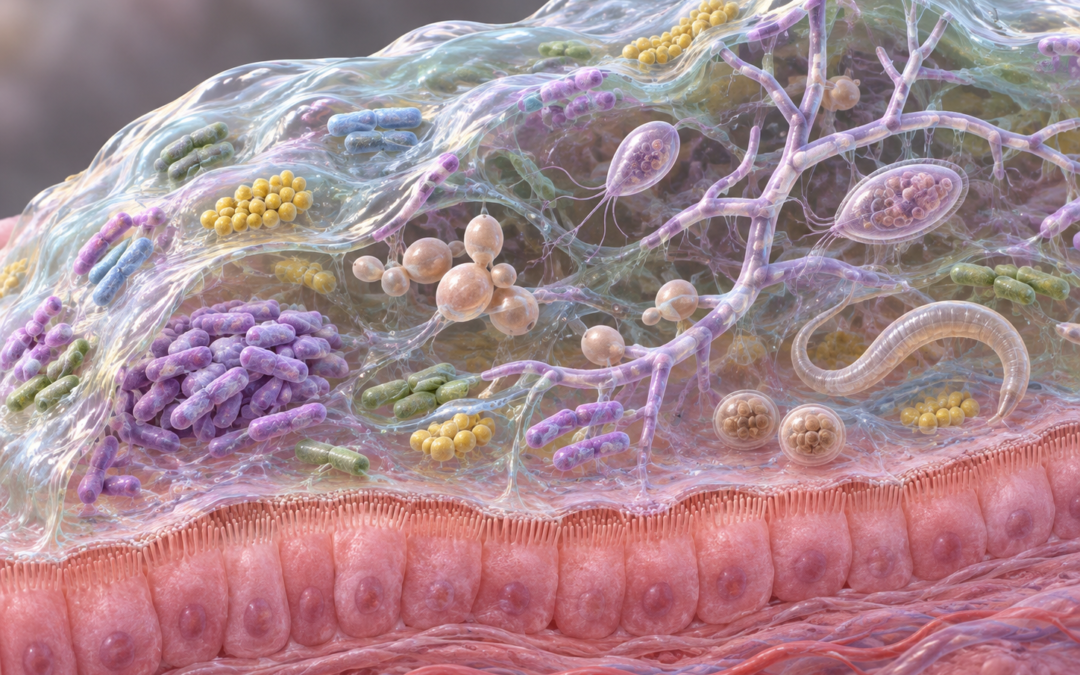
Epstein-Barr Virus (EBV), the Toxic Bucket, and Chronic Illness: Looking Beyond the Diagnosis
Understanding environmental toxicity, genetic susceptibility, detoxification, immune dysfunction, and the functional medicine approach to identifying the underlying contributors to chronic illness.
Have you been diagnosed with Epstein-Barr virus (EBV), infectious mononucleosis, chronic fatigue syndrome, Hashimoto’s thyroiditis, or another chronic inflammatory or autoimmune condition? Perhaps you have been experiencing unexplained fatigue, brain fog, muscle weakness, joint pain, digestive disturbances, neurological symptoms, or a general sense that your body is no longer functioning as it once did. While receiving a diagnosis may provide some relief, it does not necessarily explain why you became ill in the first place. One of the greatest limitations in the management of chronic illness is the tendency to focus on an individual pathogen, abnormal laboratory finding, or disease process without adequately investigating the circumstances that may have contributed to its development and looking at the body as a whole. Epstein-Barr virus is a perfect example.
Rather than simply identifying EBV and assuming it is responsible for all of your symptoms, we need to ask deeper questions:
Why is the immune system struggling to maintain balance?
What environmental exposures has this individual experienced?
Are there underlying nutritional deficiencies or metabolic disturbances?
Are the body’s natural detoxification and elimination pathways functioning appropriately?
Are other infections or inflammatory processes contributing to the illness?
What genetic and environmental factors may influence this individual’s susceptibility?
Identifying a pathogen is not necessarily the same as identifying the root cause of an illness.
To understand chronic illness, we must look at the entire picture.
What Is Epstein-Barr Virus?
Epstein-Barr virus is a member of the herpesvirus family and one of the most common human viruses in the world. It is estimated that more than 90% of the adult population has been infected with EBV. EBV is most commonly associated with infectious mononucleosis, often referred to as mono. Following the initial infection, the virus remains within the body in a latent state, primarily residing within B lymphocytes, a type of immune cell. In most individuals, the immune system successfully maintains control over the virus without significant ongoing symptoms. Under certain circumstances, however, EBV may reactivate.
Symptoms associated with acute EBV infection or related illness may include:
Persistent fatigue and exhaustion
Swollen lymph nodes
Sore throat
Muscle aches and weakness
Headaches
Fever
Enlarged spleen
General malaise
Prolonged recovery following illness
Other symptoms, such as brain fog, joint discomfort, and reduced exercise tolerance, may occur in post-infectious conditions but are not specific to EBV. The fact that the overwhelming majority of adults have been exposed to Epstein-Barr virus, yet only a relatively small percentage develop serious associated complications, raises an important question about individual susceptibility.
What makes one person’s immune system capable of maintaining control over a pathogen while another person’s health becomes significantly compromised?
The Toxic Bucket: Understanding the Cumulative Burden of Chronic Illness
In my approach to functional and environmental medicine, I often explain chronic illness using the analogy of a toxic bucket. Imagine that each individual has a bucket representing the body’s capacity to manage environmental exposures, infectious agents, metabolic demands, psychological stress, and other physiological challenges. Throughout our lives, numerous factors may contribute to filling that bucket.
These may include:
Mold exposure and water-damaged buildings
Mycotoxins and other microbial contaminants
Bacterial endotoxins
Pesticides and herbicides
Heavy metal exposure
Environmental chemicals and pollutants
Viral infections
Fungal infections
Parasitic infections
Tick bites and tick-borne illnesses
Poor nutrition and nutritional deficiencies
Chronic psychological stress
Insufficient or poor-quality sleep
Gastrointestinal dysfunction
Metabolic and hormonal disturbances
Genetic variations affecting physiological processes and inability to detox
Impaired liver or kidney function
Each exposure or physiological stressor contributes differently to an individual’s overall health. For some people, years of accumulating stressors may appear to produce relatively few symptoms. For others, a new infection, environmental exposure, period of emotional stress, or significant life event may coincide with the onset of chronic illness. Using the toxic bucket analogy, this is the point at which the bucket overflows and symptoms begin. If the symptoms are ignored or are unresolved, illness begins.
The toxic bucket is not a formal medical diagnosis or a validated measurement of toxicity. Rather, it illustrates the importance of evaluating cumulative exposures and physiological stressors instead of examining each factor in isolation. However, we do have a Total Tox test by Vibrant labs that can measure many of these toxicities in the body.
Epstein-Barr virus may be one component of that bucket. It may even be a significant contributing factor in certain individuals. However, it should not automatically be considered the entire explanation. Simply addressing EBV without investigating the other contents of the bucket may leave important contributors to chronic illness unresolved.
Why Does Epstein-Barr Virus Reactivate?
Epstein-Barr virus can reactivate in response to changes in immune regulation and cellular signaling. In some cases, reactivation occurs without symptoms or an identifiable external trigger. Rather than assuming viral reactivation explains everything, we should investigate what circumstances may be influencing the individual’s immune response.
Chronic stress, insufficient sleep, inadequate nutrition, immune-suppressing medications, and underlying medical conditions can all influence immune function, mold exposure, parasite infection, bacterial infection, Covid, etc.
Environmental exposures and concurrent infections often contribute to an individual’s overall physiological burden. A particularly interesting study published in the International Journal of Immunopharmacology investigated the relationship between prolonged exposure to xenobiotics — foreign chemical substances — and immune disturbances, liver dysfunction, and exacerbations of latent Epstein-Barr virus infections. The researchers observed greater immune disturbances and more frequent EBV exacerbations among individuals exposed to chemical pollutants than among control groups.
Although this older observational study does not establish that all environmental pollutants cause EBV reactivation, it highlights why the relationship between environmental exposure, the toxic bucket and immune function deserves investigation. A person who has experienced prolonged mold exposure, a tick-borne illness, poor sleep, nutritional deficiencies, parasite infections and chronic stress may have a substantially different clinical presentation from someone experiencing uncomplicated primary EBV infection. Research has not established mold exposure, parasites, or every tick-borne pathogen as direct triggers of EBV reactivation yet research has not necessarily caught up with what we are seeing on functional medicine lab tests. Nevertheless, these factors can contribute independently to illness and should be evaluated when the individual’s history and symptoms warrant it.The goal is to understand the circumstances surrounding the illness and why EBV got retriggered rather than focusing exclusively on the virus itself.
Epstein-Barr Virus, Multiple Sclerosis, Hashimoto’s, and Autoimmune Disease
In recent years, considerable attention has been given to the relationship between Epstein-Barr virus and autoimmune disease.EBV has been investigated in association with several conditions, including multiple sclerosis (MS), systemic lupus erythematosus, rheumatoid arthritis, autoimmune thyroid disease, and certain post-infectious syndromes. A major study published in Science in 2022 evaluated more than 10 million United States military personnel and found that the risk of developing multiple sclerosis increased approximately 32-fold following EBV infection.
Longitudinal analysis of Epstein-Barr virus and multiple sclerosis — PubMed
This research provides compelling evidence that EBV plays an important causal role in the development of multiple sclerosis. However, the presence of Epstein-Barr virus does not automatically equal multiple sclerosis. There have also been links to MS from mold exposure and parasites.
Fungal toxins and multiple sclerosis: a compelling connection – PubMed
A positive EBV antibody test automatically explain Hashimoto’s thyroiditis, chronic fatigue syndrome, or other complex chronic health conditions.If more than 90% of adults have been exposed to EBV, why do relatively few develop multiple sclerosis? The answer requires us to consider additional factors, including genetic susceptibility, environmental exposures, immune regulation, metabolic health, and other biological mechanisms.
The National Institute of Environmental Health Sciences recognizes that autoimmune diseases likely arise through interactions between genetic and environmental risk factors. Researchers have identified associations between certain autoimmune diseases and exposures such as cigarette smoke, crystalline silica, and organic solvents.
Environmental Exposures and Autoimmune Diseases: Contribution of Gut Microbiome
From a functional and environmental medicine perspective, this reinforces the importance of looking at individual susceptibility and external exposures. We should also consider whether nutritional deficiencies, impaired organ function, impaired detox functionality, oxidative stress, or abnormalities in metabolic pathways are contributing to the individual’s overall health.
Although impaired detoxification and MTHFR variants have not been established as the primary causes of MS or Hashimoto’s, there are studies showing that impaired ability to detox can lead to chronic illness.
A pathogen may be an important trigger or contributor to disease, but the biological and environmental circumstances surrounding that pathogen also matter.
Genetic Susceptibility, MTHFR, Methylation, and Detoxification
Why can two individuals be exposed to similar environmental conditions and experience dramatically different health outcomes? Part of the answer lies in individual susceptibility. Our genetic makeup, nutritional status, age, underlying medical conditions, immune function, the toxic bucket reference and metabolic health can influence how we respond to environmental exposures. One gene frequently discussed in functional medicine is MTHFR, which stands for methylenetetrahydrofolate reductase. Everyone has the MTHFR gene. However, common genetic variations, particularly C677T and A1298C, can influence aspects of folate metabolism. The MTHFR enzyme participates in the production of 5-methyltetrahydrofolate, which is involved in the conversion of homocysteine to methionine and the broader methylation cycle.
What Is Methylation?
Methylation is a fundamental biochemical process involved in numerous physiological functions, including:
Gene expression and regulation
Neurotransmitter metabolism
DNA synthesis and cellular repair
Homocysteine metabolism
Immune regulation
Certain metabolic and detoxification reactions
Production of important cellular compounds
These processes also interact with other metabolic pathways involved in antioxidant defense and cellular protection. The methylation and trans-sulfuration pathways, for example, are interconnected through homocysteine metabolism. Trans-sulfuration contributes to the availability of cysteine, an amino acid required for glutathione synthesis. Glutathione is one of the body’s most important intracellular antioxidants and participates in the processing of certain potentially harmful compounds.
Does an MTHFR Variant Mean You Cannot Detoxify Properly?
Often times yes. Common MTHFR variants can influence folate metabolism and, under certain circumstances, homocysteine concentrations. Nutritional status, particularly folate and vitamin B12 availability, also influences these pathways.For this reason, a comprehensive metabolic assessment may be more informative than interpreting a single genetic finding in isolation. There are a number of useful genetic markers: MTHFR, COMT, HLA genes, and DAO. These are genes that are often tested in functional medicine but not in Western medicine. They are not diagnoses alone but they offer valuable information about how the body will process “life.” Depending on the patient’s clinical presentation, relevant considerations may include folate, vitamin B12, homocysteine, liver function, kidney function, dietary intake, and other indicators of metabolic health.
CDC: MTHFR Gene Variants and Folic Acid
MTHFR is only one gene within a much larger network of genetic and biochemical processes. Other enzymes, including glutathione S-transferases, cytochrome P450 enzymes, and various conjugation enzymes, participate more directly in the processing of environmental chemicals and medications. From a root-cause perspective, the question is not simply whether a person carries a particular genetic variant. It is whether there are identifiable physiological vulnerabilities that can be appropriately addressed.
Beyond Viruses and Bacteria: Fungal and Parasitic Illness
Another concern in the evaluation of chronic illness is the relatively limited consideration that may be given to fungal and parasitic infections during routine medical evaluations.
Conventional medicine doesn’t often recognize and treat these infections. Routine diagnostic investigations frequently emphasize more familiar viral and bacterial illnesses. Fungus and parasites are almost a lost science in typical medical school training, yet they are some of the most dangerous pathogens. Fungi and parasites are significant human pathogens capable of producing serious and, in some circumstances, life-threatening disease. Their clinical presentations can overlap with other infectious, gastrointestinal, inflammatory, and neurological conditions and be completely missed on standard western medical tests. Parasitic infections can affect the gastrointestinal tract, liver, blood, lungs, and other tissues, depending on the organism involved. Some can contribute to anemia, nutritional deficiencies, gastrointestinal disturbances, and abnormal immune responses and what are labeled as chronic diseases such as MS, fibromyalgia, rheumatoid arthritis, mental illness, etc. Fungal organisms can contribute to a spectrum of health conditions ranging from allergic responses and localized infections to serious systemic disease. It is also important to distinguish between fungal infection and environmental mold exposure. Exposure to fungal spores or microbial contaminants within a building is not necessarily the same as having an active fungal infection within the body. Yet just as mold fungus colonizes a home, if a person is exposed in a home, it will likely colonize the body. Yet, the rate and seriousness of colonization often times depends upon a functioning MTHFR gene. During a functional medicine consultation, a comprehensive evaluation should consider the individual’s travel history, occupational history, environmental exposures, dietary habits, animal exposures, and clinical symptoms. Everything that we experience in life contributes to our overall health and propensity for disease.
A diagnosis of EBV should not automatically exclude the possibility of another clinically relevant infection.
Tick-Borne Illness and Concurrent Infections
Tick-borne illnesses are another potentially important component of the toxic bucket. Ticks can transmit bacterial, viral, and parasitic pathogens, including those responsible for:
Lyme disease
Babesiosis
Ehrlichiosis
Anaplasmosis
Rocky Mountain spotted fever
Babesiosis, for example, is caused by a microscopic parasite that infects red blood cells.
These illnesses may produce symptoms that overlap with viral infections, including fatigue, headaches, fever, muscle discomfort, and joint pain.Some individuals may experience prolonged symptoms following an infection, even after appropriate treatment. A thorough clinical history is essential because the most familiar diagnosis is not necessarily the only relevant diagnosis. However, testing and treatment should be based on appropriate clinical indications rather than assuming that every patient with chronic fatigue has a hidden parasitic, fungal, or tick-borne infection. The objective of functional medicine should be to expand the investigation responsibly, not simply replace one presumed diagnosis with another.
Environmental Medicine: Is Your Home Contributing to Your Chronic Illness?
One of the most overlooked aspects of health is the environment in which we spend our lives. We are frequently encouraged to improve our diet, exercise regularly, drink clean water, and take appropriate nutritional supplements. Yet how often are we encouraged to evaluate the quality of the air we breathe inside our own homes? We spend the majority of our lives indoors. Our homes, workplaces, schools, and other indoor environments can expose us to a wide variety of biological and chemical contaminants. Environmental medicine examines the relationship between human health and environmental exposures, including indoor air pollution, occupational hazards, chemicals, allergens, and microbial contaminants. It recognizes that our surroundings are not separate from our health. Mold Is Only Part of the Problem in Water-Damaged Buildings.When water enters a building or excessive indoor moisture persists, the resulting microbial environment can become complex.
Potential contaminants associated with damp and water-damaged buildings include:
Mold spores
Microscopic fungal fragments
Mycotoxins
Gram-negative bacteria
Bacterial endotoxins
Beta-glucans
Microbial volatile organic compounds
Dust mites and allergens
Airborne particulate matter
Chemical emissions associated with building materials
Endotoxins, for example, are components of the outer membrane of certain bacteria and are capable of stimulating inflammatory immune responses. Mycotoxins are compounds produced by certain fungi. Depending on the specific substance, dose, and route of exposure, some can have toxic effects on our biological systems.The World Health Organization recognizes that damp buildings contain complex mixtures of biological contaminants and that persistent dampness and microbial growth should be prevented or corrected.
WHO Guidelines for Indoor Air Quality: Dampness and Mould — National Library of Medicine
WHO: Health Effects Associated With Dampness and Mould
The strongest established evidence concerning residential dampness and mold exposure involves respiratory symptoms, asthma, allergies, and other respiratory health effects. But mold affects the entire body and has the ability to cross the blood brain barrier via an enzyme acting like a bridge. There are not many pathogens that can cross the BBB. Doctors even have a difficult time prescribing medications that can effectively cross the BBB. Yet fungus has found a way. Fungus is a neurotoxin and can therefore land on a structure or nerve with intention to suck the water and nutrients from that structure, leaving a small ulcer. Multiple sclerosis involves a disruption of the blood brain barrier, an infiltration of inflammatory immune cells, damage to the myelin sheath of oligodendorcytes, impaired electrical conduction along the axon, potential axon degeneration, and glial scar tissue. Mold also does this. There are numerous NIH article and studies that address this exact mechanism and its link to mold exposure.
Mechanisms of Mycotoxin-Induced Neurotoxicity through Oxidative Stress-Associated Pathways – PMC
Mold and Mycotoxin Exposure and Brain Disorders – PubMed
The fact that every potential health consequence has not yet been established does not diminish the importance of maintaining a healthy indoor environment. The fact that we are not talking about the link to home health and the link to major chronic health issues is not only negligent but its is dangerous.
Understanding the Relationship Between Building Science and Human Health
As both a healthcare practitioner and someone with training in mold inspection and building science, I believe that evaluating human health without considering the buildings in which people live can leave an important piece of the puzzle unexplored.
Potential environmental concerns include:
Previous roof or plumbing leaks
Improper window and roof flashing
Hidden water intrusion
Excessive indoor humidity
Inadequate ventilation
Improperly sized HVAC systems
Contaminated ductwork
Crawlspace moisture
Condensation within building assemblies
Excessive household dust
Chemical emissions from furnishings and building materials
A building does not necessarily need to have visible mold or an obvious musty odor to have a moisture or ventilation problem. Mold is very good at hiding. That is what it is designed to do. It is similar in behavior to cock roaches or mice. It wants to stay concealed from humans. Similarly, a building that looks beautiful, clean, and newly constructed is not automatically a healthy building. New homes are not always healthy, and can have hidden water damage and mold. Understanding how air, moisture, heat, and pollutants move through a structure is an important component of environmental health. For residents of Pensacola, Florida, and the surrounding Gulf Coast, these considerations are especially relevant because of our humid climate, seasonal storms, heavy rainfall, and potential for moisture intrusion. Reducing ongoing harmful environmental exposures should be a priority when those exposures are identified. No amount of nutritional supplementation can repair a leaking roof, correct an improperly functioning ventilation system, or remove an ongoing source of building contamination.
Detoxification: Understanding the Body’s Natural Elimination Pathways
The human body is continuously exposed to substances originating from both our external environment and our own metabolic processes.The ability to process and eliminate these substances is essential to maintaining normal physiological function. Detoxification is not simply a popular wellness concept. It encompasses numerous established biochemical and physiological processes. The liver, kidneys, gastrointestinal tract, and lungs all participate in processing or eliminating various substances.
Phase I Detoxification
Phase I metabolism involves enzymatic reactions, including oxidation, reduction, and hydrolysis.Many of these reactions involve cytochrome P450 enzymes, which participate in the metabolism of medications, environmental chemicals, and naturally occurring compounds. Some Phase I reactions produce intermediate compounds that are more chemically reactive than the original substances.
Phase II Detoxification
Phase II metabolism generally involves conjugation reactions that modify compounds to facilitate their elimination.
These pathways include:
Glutathione conjugation
Glucuronidation
Sulfation
Methylation
Acetylation
Amino acid conjugation
These processes depend on the availability of appropriate substrates, enzymes, and nutritional resources.Glutathione, amino acids, sulfur-containing compounds, and various vitamins and minerals participate in different aspects of metabolism and antioxidant defense.
Phase III Transport and Elimination
Transport proteins assist in moving compounds and their metabolites across cellular membranes. Depending on the compound, elimination may occur through the kidneys and urine, or through bile and the gastrointestinal tract. These processes do not always occur in a rigid, sequential order. They form part of an interconnected metabolic network. When a person has clinically significant liver disease, kidney disease, nutritional deficiencies, or other metabolic disturbances, certain elimination processes may be affected. This is one reason why evaluating physiological function is so important before introducing aggressive detoxification protocols.
Why I Recommend Detoxification and Environmental Health Evaluations at Least Twice a Year
In my approach to preventive health and environmental medicine, I encourage individuals to conduct a comprehensive review of their environmental exposures and detoxification-support practices at least twice a year, ideally during the spring and fall.This provides an opportunity to evaluate what may be contributing unnecessarily to the body’s overall physiological burden.
A comprehensive review may include evaluating:
Indoor environmental quality
Occupational and chemical exposures
Dietary habits and nutritional status
Liver and kidney health
Gastrointestinal function
Hydration
Bowel regularity
Medication and supplement use
Sleep and stress levels
Any structured detoxification-support program should be approached meticulously and individualized to the patient’s medical history, physiological function, and current health status. Someone with significant constipation, poor nutritional intake, kidney disease, liver dysfunction, or medication sensitivities may require a substantially different approach from an otherwise healthy individual. Commercial cleanses, aggressive fasting, excessive supplementation, and unnecessary chelation are not appropriate substitutes for medical evaluation. The emphasis should instead be on reducing harmful exposures, maintaining adequate nutrition, supporting normal organ function, and addressing confirmed medical concerns. The fact of the matter is, we live in a highly toxic society. Capitalism seems to have taken over and those in charge have not done a great job of evaluating the long term effects of the harm we are doing to our environment with the advent of chemicals, pollutions, pesticides, poor food and air quality, 5G towers, EMF radiation, the list goes on. We are now seeing the results of that in our health. Children seem to be sicker in our modern society than they used to be.
Detoxes and Cleanses — What You Need to Know
The goal is not to overwhelm the body. It is to identify and reduce unnecessary burdens while supporting normal physiological processes.
Gut Health: The Foundation of Immune and Metabolic Health
It is difficult to have a meaningful discussion about chronic illness without addressing gastrointestinal health.The gastrointestinal tract contains an extensive immune network and is home to trillions of microorganisms collectively referred to as the gut microbiome. These microorganisms participate in numerous physiological processes, including:
Digestion and nutrient metabolism
Immune system development and regulation
Intestinal barrier maintenance
Production of short-chain fatty acids
Metabolism of bile acids
Communication with the nervous system
Protection against certain pathogenic organisms
Disruption of the microbial ecosystem, commonly referred to as dysbiosis, has been associated with a variety of gastrointestinal, metabolic, inflammatory, and immune-related conditions. Gut health may be influenced by poor nutrition, excessive stress, infections (viral, bacterial, fungal, parasitic), inadequate dietary fiber, alcohol consumption, and medications, including antibiotics. The gastrointestinal tract is also involved in the elimination and potential reabsorption of substances transported through bile. For this reason, gastrointestinal function deserves consideration when evaluating metabolic health and the body’s natural elimination processes.
Intestinal Permeability and Inflammation
The intestinal lining serves as a selectively permeable barrier between the contents of the gastrointestinal tract and the internal environment of the body. In certain medical conditions, disruption of this barrier can increase intestinal permeability and influence inflammatory signaling. Bacterial components such as lipopolysaccharide (LPS), a type of endotoxin, can stimulate immune responses when they reach susceptible tissues. Research continues to investigate the relationships between intestinal barrier function, microbial imbalance, systemic inflammation, and chronic disease. Supporting gastrointestinal health may therefore be an important component of a comprehensive approach to chronic illness. However, the presence of fatigue or inflammation alone does not establish intestinal permeability abnormalities or dysbiosis.
The Gut-Brain-Immune Connection
The gastrointestinal tract and the brain are in continuous communication through a complex network referred to as the gut-brain axis.
This communication involves:
The vagus nerve
The enteric nervous system
Immune signaling molecules
Hormonal pathways
Microbial metabolites
Stress-response mechanisms
Research into the gut-brain axis has significantly expanded our understanding of the relationship between gastrointestinal health, neurological function, immune regulation, and psychological well-being. Microbial metabolites, including short-chain fatty acids, can influence immune signaling and other physiological processes. Chronic psychological stress can also influence gastrointestinal function, while gastrointestinal disturbances may affect neurological signaling and emotional well-being.
The Microbiota-Gut-Brain Axis — Scientific Review, PubMed
This interconnected relationship helps explain why evaluating only one organ system may provide an incomplete understanding of complex chronic illness. A patient experiencing brain fog, fatigue, digestive disturbances, anxiety, and inflammatory symptoms may benefit from an evaluation that considers the gastrointestinal, neurological, immune systems, mold and parasitic exposures together. The human body does not function as a collection of independent systems. Each system continuously interacts with and influences the others.
Nutrition: Providing the Body With the Resources It Needs
Our diet provides the raw materials required for cellular repair, immune function, energy production, neurotransmitter metabolism, and numerous biochemical reactions. When essential nutrients are deficient, physiological processes may become compromised. Nutrients relevant to immune regulation, metabolic health, and antioxidant defense include:
Vitamin C
Vitamin D
Folate
Vitamin B12
Vitamin B6
Magnesium
Zinc
Selenium
Essential amino acids
Omega-3 fatty acids
Dietary fiber
A comprehensive nutritional assessment should consider not only what a person is eating but also whether they are effectively digesting and absorbing nutrients. A patient may consume a seemingly healthy diet while experiencing nutritional deficiencies related to gastrointestinal disorders, medications, restricted food intake, or impaired absorption. A nutrient-dense diet emphasizing a variety of vegetables, fruits, fiber-rich foods, adequate protein, and healthy fats provides an important foundation for immune and metabolic health. Highly processed foods, excessive added sugars, and inadequate nutrient intake can contribute to poor metabolic health. Nutritional supplementation can be beneficial when appropriately selected. However, supplementation should not replace a healthy diet, nor should every individual with chronic illness receive the same supplement regimen. People can be eating perfectly healthy and exercising, but if they have mold exposure, this can counteract all acts of good nutrition.
Functional and Environmental Medicine in Pensacola, Florida
Amy Suplee practices functional medicine at The Holistic Clinic in Pensacola, Florida, with a focus on evaluating complex chronic illnesses, including chronic fatigue, suspected Epstein-Barr virus reactivation, autoimmune conditions, mold-related illness, and gastrointestinal dysfunction. Her approach integrates functional medicine, environmental medicine, clinical nutrition, and building science to investigate the potential underlying contributors to chronic illness. Rather than focusing solely on a pathogen or diagnosis, Amy evaluates the interconnected roles of environmental exposures, genetic susceptibility, immune regulation, nutritional status, gastrointestinal health, and metabolic function to develop individualized strategies that support health and physiological resilience. If you need further information please reach out at : 251-514-3001